What is RAM?
RAM, or Random Access Memory, is the primary memory in your computer that temporarily stores data and instructions which the CPU needs while performing tasks. Unlike long-term storage, RAM is volatile – it loses all stored data when the device is powered off.

How RAM Works
RAM acts as a fast-access working memory for your computer. When you open applications or files, the data is loaded into RAM so the processor can quickly retrieve and manipulate it. The speed and quantity of RAM directly affect system responsiveness and multitasking capabilities.
Types of RAM
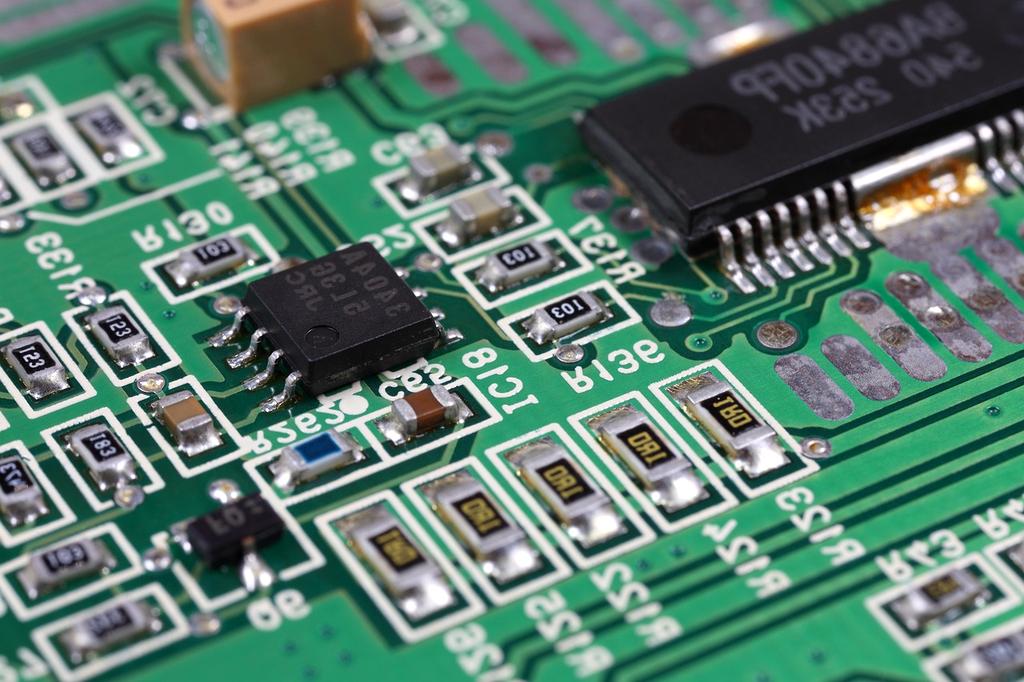
DDR4
The most widely used RAM type available today, DDR4 provides high speed and efficiency suitable for everyday computing, gaming, and professional workloads.
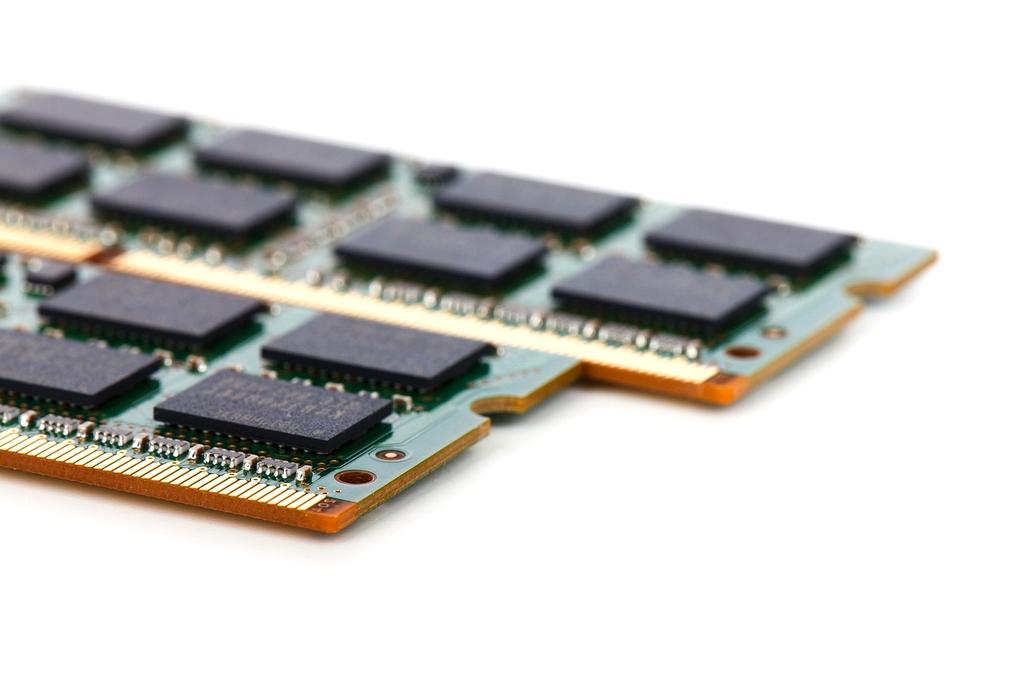
DDR5
The latest standard offering higher bandwidths and improved power efficiency than DDR4, enhancing performance for cutting-edge applications and future-proof systems.
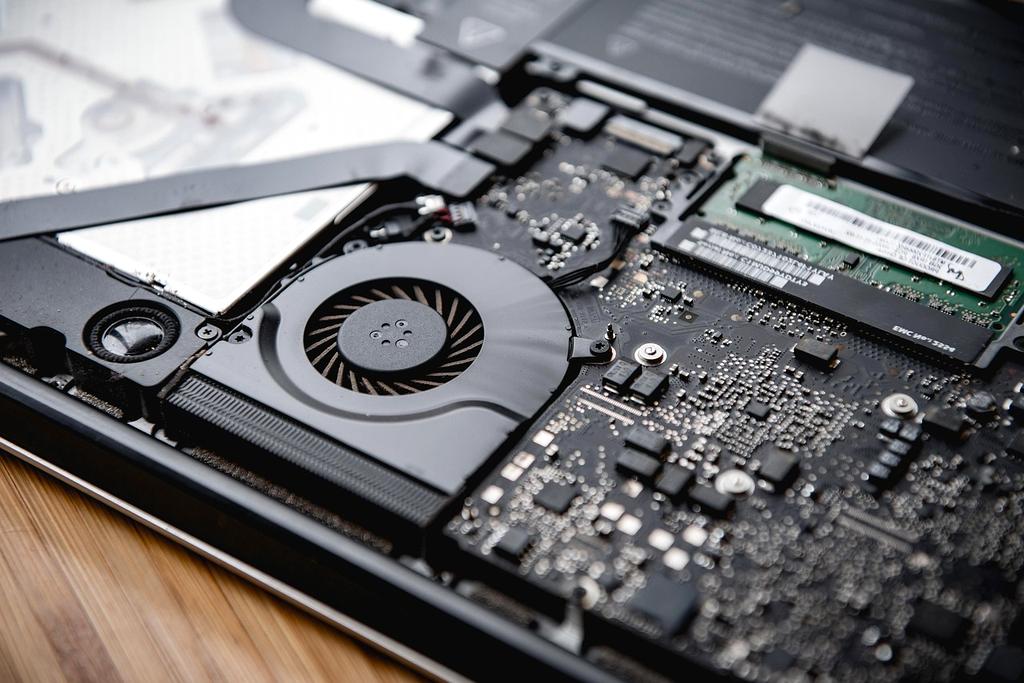
LPDDR
Low Power DDR is mainly used in mobile and embedded devices, optimized for reduced power consumption without compromising on speed.
Understanding RAM Performance
RAM performance is influenced by factors such as bandwidth (speed), latency, and capacity. Higher bandwidth lets more data move between RAM and CPU per second. Lower latency means quicker response to requests. Ample capacity allows more applications and data to be handled simultaneously without slowdown.
Speed
Measured in MHz, RAM speed impacts how fast data can be read or written.
Latency
The delay between CPU request and data availability; lower latency means faster access.
Capacity
Amount of memory available for active use – more capacity supports heavier multitasking.
Request Premium Memory Analysis
Get personalized recommendations for optimizing your system's memory performance with our advanced diagnostic tools.